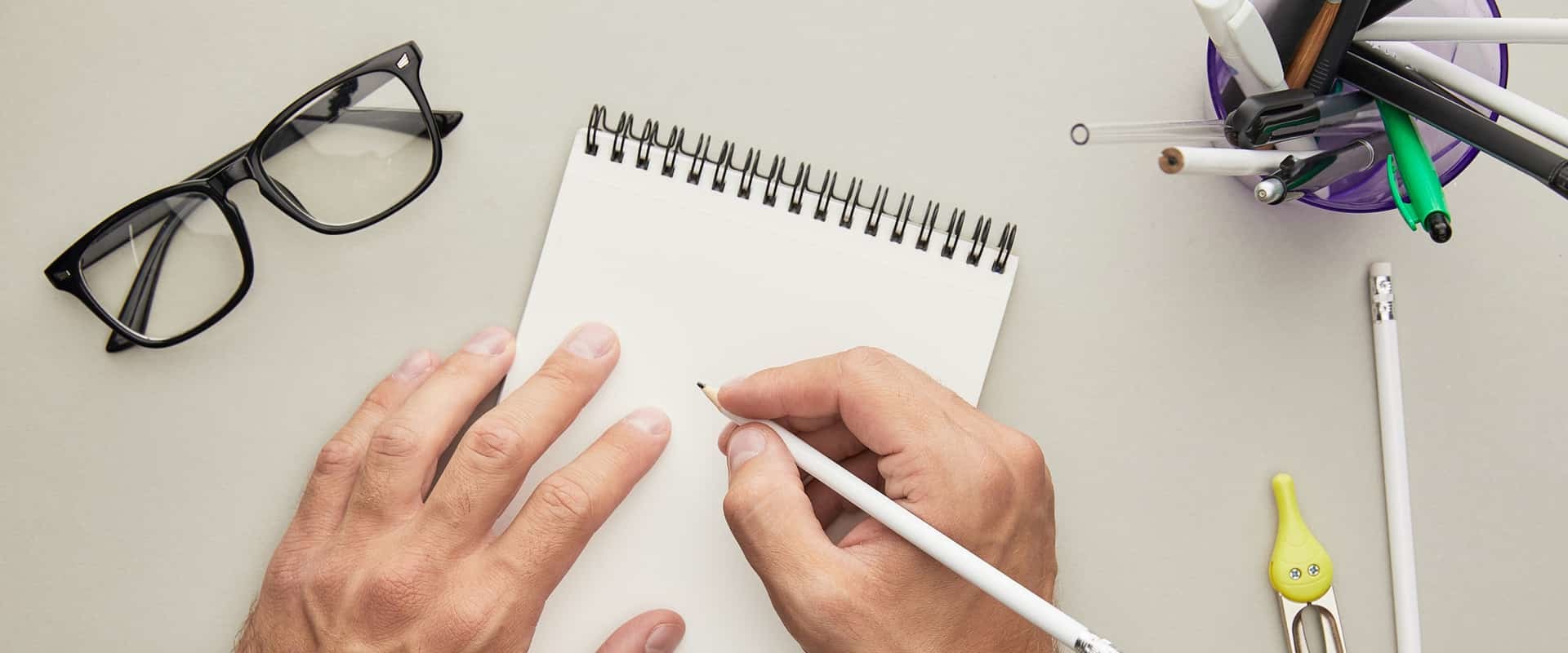
The APA prefers that writers use the first person for clarity and self-reference. To promote clear communication, writers should use the first person, rather than the passive voice or the third person, to indicate the action the writer is taking. The APA advocates using the first person (I) when describing its own research study. Do not use we unless you have co-authors.
Do not refer to yourself or your co-authors in the third person (this author or these researchers). Writers in these fields tend to value assertiveness and emphasize agency (who does what), so the first person is usually appropriate, but not always. This booklet is about determining when to use first-person pronouns (“I”, “we”, “I”, “us”, “my” and “our”) and personal experience in academic writing. When you want to persuade the reader, it is best to avoid personal pronouns in academic writing, even when it comes to a personal opinion of the authors of the study.
For more general tips on how to use active and passive voice in research papers, how to paraphrase, or for a list of useful phrases for academic writing, go to the Wordvice academic resource pages. Sometimes writers use the first person less effectively, preceding a statement with “I think “, I feel, or “I believe”, as if such a phrase could replace a real defense of an argument. Although this is a good technique for giving instructions, it is not appropriate in academic or scientific writing. When choosing the appropriate point of view for academic or formal writing, consider the type and purpose of the assignment.
The question of whether personal experience has a place in academic writing depends on context and purpose. For example, the first person is more likely to be used in the summary, introduction, discussion, and conclusion sections of an academic article, while the third person and passive constructs are found in the methods and results sections. In that sentence, the writer is also the speaker of the piece and writes about himself. Or if your purpose is to present your individual response to a work of art, to offer examples of how an idea or theory could be applied to life, or to use experience as evidence or demonstration of an abstract principle, personal experience could play a legitimate role in your academic writing.
Because of these differences, when students write an academic essay, they quickly move away from the first person because of what they have been told in high school or because they think the first person feels too informal for an intellectual and researched text. But conventions seem to be changing in some cases, for example, when a science writer describes a project she is working on or positioning that project within existing research on the subject. In academic writing, sometimes it needs to be replaced by nouns or proper names to create more formality or clarify the idea.